ACL Injury Recovery & Prevention
A Resource For Athletes, Coaches, and Parents
Contents:
- ACL Injury Overview
- Injury Risk Factors & Prevention Strategies
- ACL Injury Recovery: Rehab & Return to Sport
Understanding ACL Injuries
The Anterior Cruciate Ligament (ACL) plays a vital role in maintaining knee stability, especially with movements that involve sudden direction changes, pivoting, and jumping. As one of the four main ligaments in the knee that connects the femur (thigh bone) to the tibia (shin bone), it prevents the tibia from sliding forward and provides rotational stability to the knee joint. Most ACL injuries come from non-contact scenarios such as a hard landing, abrupt stop, or sharp change in direction. Individuals might experience a “pop” in the knee at the time of injury and then experience symptoms of swelling, instability, and/or inability to bear weight with or without pain. These injuries can compromise knee stability and may require surgical intervention to restore full function.

ACL Injury Risk Factors & Prevention Strategies For Athletes & Coaches
Numerous studies have identified key factors that contribute, including improper landing mechanics, deficits in neuromuscular control, and weaknesses in the hip and core muscles. Note that female athletes are also more prone to ACL injuries due to anatomical differences, hormonal fluctuations, and distinct muscle activation patterns1. Luckily, multifaceted preventive training programs aimed at addressing these risk factors have been shown to significantly reduce the incidence of ACL injuries.
The following strategies are backed by leading research and can be incorporated into an athlete’s training program to reduce risk of injury:
Strength Training
Building strength in the quadriceps, gluteal, and hamstring muscles is critical for knee stability so exercises that target these upper leg muscles, like deadlifts, squats, and lunges, should be staples in your training regimen. In particular, addressing strength imbalances between the quadriceps and hamstrings is crucial as athletes with greater hamstring strength relative to quadriceps strength have demonstrated a lower risk of ACL injuries3. Incorporating eccentric strength exercises that involve slow, controlled movements under tension like Nordic hamstring curls can help improve this balance and provide additional protection by enhancing the muscles’ ability to absorb forces during high-risk movements.

Landing Mechanics
Athletes who demonstrate poor landing techniques, particularly knee valgus (inward collapse of the knee), are at increased risk for ACL injuries4. Teaching athletes to land properly, with knees aligned and avoiding inward collapse is key. Coaches should emphasize soft, controlled landings and encourage athletes to practice these techniques in various drills. Video analysis can be a helpful tool in identifying and correcting faulty movement patterns.

Neuromuscular Training
Exercises that enhance balance, coordination, and body awareness can significantly reduce ACL injury risk. Incorporating exercises like single-leg balance, agility drills, and plyometrics into regular training can improve neuromuscular control and decrease injury risk. You can also consider using wearable tech that monitors movement patterns, fatigue levels, and muscle activation to make corrections in real-time to prevent injury.
Cioffredi & Associates PTs use Blazepods to simulate unpredictable game-time scenarios so athletes can develop reaction times, agility, and decision-making skills in a safe setting
ACL Injury Recovery
If you sustain an ACL injury and a tear is diagnosed with testing and imaging, the decision on whether to have surgery or not can be complex, depending on factors such as the severity of the tear, the patient’s activity level, and their long-term goals. Make sure that you consult with experts to make a fully informed decision.
Non-Surgical Treatment:
For individuals with lower grade sprains, partial tears or lower activity demands, non-surgical treatment may be a viable option. With a comprehensive rehabilitation program focused on strengthening the muscles around the knee, many patients can return to normal activities without the need for surgery5.
Surgical Treatment:
The ACL does not heal when torn, so ACL reconstruction surgery is often recommended for those with complete tears or those wishing to return to high-impact sports. The surgery typically involves replacing the torn ligament with a graft from the patient’s hamstring or patellar tendon. The outcomes of this procedure are generally favorable, with a high percentage of patients achieving restored knee stability and function6.

Post-Operative Rehabilitation
If you choose to have surgery, a comprehensive rehabilitation program is critical for safely, speedy, and successful recovery and return to sports. Research shows that a well-structured rehabilitation program not only restores function but also minimizes the risk of re-injury7. The process is typically divided into several phases, each with specific goals and exercises.
Immediate Post-Op Phase (Weeks 1-2):
The primary goals during this phase are to protect the surgical repair, manage pain and swelling, and begin gentle range-of-motion exercises. Research supports the early introduction of weight-bearing as tolerated, which helps in reducing muscle atrophy and improving joint health8. Early extension exercises, along with cryotherapy and compression, are key to preventing stiffness and promoting recovery.
Early Rehabilitation Phase (Weeks 3-6):
This phase emphasizes restoring full knee flexion and further improving range of motion. Quadriceps strengthening becomes a primary goal, with exercises like straight leg raises, mini-squats, and step-ups being introduced. Research highlights the importance of early quadriceps activation, as it is critical for knee stabilization and reducing strain on the ACL graft9. Proprioceptive training, including balance exercises on unstable surfaces, begins to enhance neuromuscular control and prevent re-injury.
Strength and Control Phase (Weeks 7-12):
As the knee heals, the focus shifts to more intensive strength training and conditioning. Closed-chain exercises, such as leg presses, lunges, and step-ups, help to build muscle strength around the knee without placing undue stress on the ACL graft10. Functional movement patterns, such as lateral movements and light plyometrics, are introduced gradually to simulate the demands of sports activities. This phase also includes gait retraining to ensure proper walking mechanics and avoid compensatory patterns that could lead to future injuries.
Return to Sport
Returning to sport is a highly anticipated milestone for any athlete recovering from an ACL injury. However, it must be approached with caution to minimize the risk of re-injury. The timing of return to sport varies depending on individual progress, but it generally begins around the 4-6 month mark and continues until the athlete is fully ready to participate in competitive activities.
Advanced Strengthening and Functional Training (Months 4-6):
By this stage, most patients can begin a graduated return to running, starting with straight-line jogging and progressing to more complex movements. Rehabilitation during this phase involves advanced strengthening, agility drills, and sport-specific exercises. Research indicates that neuromuscular training, particularly dynamic stability exercises, is essential for preparing the knee for the stresses of sports11. Plyometric training, which involves jump exercises, helps improve explosive power and reactive strength, both of which are essential for high-level athletic performance. Agility drills, such as cutting maneuvers and directional changes, are introduced to replicate the demands of the patient’s sport.
Return to Agility and Sport Specific Movements (Months 6-9):
The introduction of sport-specific drills that incorporate cutting, pivoting, and jumping is key to rebuilding confidence in the knee’s stability12. Functional assessments, such as single-leg hop tests and balance evaluations, are used to gauge readiness for return to sport. The patient’s psychological readiness, including confidence in their knee and fear of re-injury, is also addressed during this time, as it plays a significant role in the successful return to sports.

Full Return to Sport (Months 9-12+):
The final stage of recovery involves a full return to sport. Before resuming competitive play, the athlete must pass rigorous functional tests that assess strength, power, endurance, and neuromuscular control. Recent studies suggest that athletes who do not meet certain criteria before returning to sport are at a higher risk of re-injury, particularly younger athletes13. Continued strength and conditioning work is recommended even after returning to sport to maintain knee stability, explosiveness, and overall performance. In addition, the mental aspect of recovery is often overlooked but is crucial for a successful return to sport. Athletes should work with sports psychologists or counselors to address fears of re-injury and build confidence in their recovery process.
Conclusion
Recovering from an ACL injury is a demanding journey, but with a structured and comprehensive rehabilitation program, athletes can return to their pre-injury level of activity. The combination of proper diagnosis, individualized treatment, and evidence-based post-operative care is essential for restoring function, preventing re-injury, and ensuring a successful return to sports.
“I needed people who were going to understand my body from the first visit and quickly attack my goals. They earned my respect. They pushed me, but I also got to interact with people that are fun and bright and have energy and deeply, deeply care for me… I’m now at a level where I can play again and not hold back. I can play for as long as I want, I can recover quickly, and I can sustain this level of activity that simply brings me joy. I’m eternally grateful.” -Duncan Piper
References
- Mancino, Fabio et al. “Anterior cruciate ligament injuries in female athletes: risk factors and strategies for prevention.” Bone & joint open vol. 5,2 94-100. 5 Feb. 2024, doi:10.1302/2633-1462.52.BJO-2023-0166
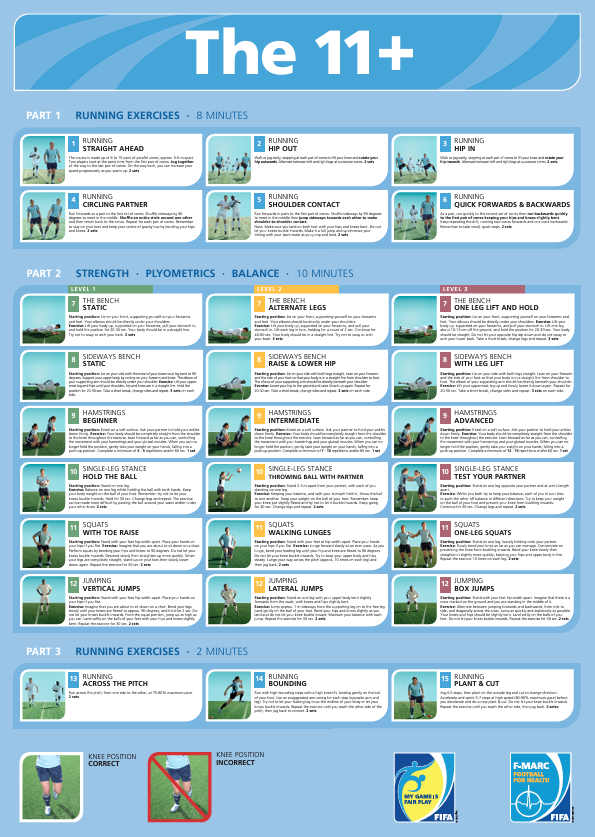
- Sadigursky, David et al. “The FIFA 11+ injury prevention program for soccer players: a systematic review.” BMC sports science, medicine & rehabilitation vol. 9 18. 28 Nov. 2017, doi:10.1186/s13102-017-0083-z
- Myer, Gregory D et al. “The relationship of hamstrings and quadriceps strength to anterior cruciate ligament injury in female athletes.” Clinical journal of sport medicine : official journal of the Canadian Academy of Sport Medicine vol. 19,1 (2009): 3-8. doi:10.1097/JSM.0b013e318190bddb
- Larwa, Joseph et al. “Stiff Landings, Core Stability, and Dynamic Knee Valgus: A Systematic Review on Documented Anterior Cruciate Ligament Ruptures in Male and Female Athletes.” International journal of environmental research and public health vol. 18,7 3826. 6 Apr. 2021, doi:10.3390/ijerph18073826
- Frobell, R. B., Roos, H. P., Roos, E. M., et al. (2013). Treatment for Acute ACL Tear: Non-Surgical Management Results at Five Years. BMJ, 346, f232.
- Kaeding, C. C., Pedroza, A. D., Reinke, E. K., et al. (2015). Risk Factors for Subsequent ACL Injury: Analysis from MOON Cohort. The American Journal of Sports Medicine, 43(7), 1583-1590.
- Arundale, Amelia J H et al. “Exercise-Based Knee and Anterior Cruciate Ligament Injury Prevention.” The Journal of orthopaedic and sports physical therapy vol. 53,1 (2023): CPG1-CPG34. doi:10.2519/jospt.2023.0301
- Kaya, Sehmuz et al. “The impact of early weight-bearing on results following anterior cruciate ligament reconstruction.” BMC musculoskeletal disorders vol. 25,1 395. 21 May. 2024, doi:10.1186/s12891-024-07525-8
- Lisee, Caroline et al. “Quadriceps Strength and Volitional Activation After Anterior Cruciate Ligament Reconstruction: A Systematic Review and Meta-analysis.” Sports health vol. 11,2 (2019): 163-179. doi:10.1177/1941738118822739
- Jenkins, Sarah M et al. “Rehabilitation After Anterior Cruciate Ligament Injury: Review of Current Literature and Recommendations.” Current reviews in musculoskeletal medicine vol. 15,3 (2022): 170-179. doi:10.1007/s12178-022-09752-9
- Waldron, Kristen et al. “Anterior Cruciate Ligament Rehabilitation and Return to Sport: How Fast Is Too Fast?.” Arthroscopy, sports medicine, and rehabilitation vol. 4,1 e175-e179. 28 Jan. 2022, doi:10.1016/j.asmr.2021.10.027
- Bradsell, Hannah, and Rachel M Frank. “Anterior cruciate ligament injury prevention.” Annals of joint vol. 7 1. 15 Jan. 2022, doi:10.21037/aoj-2020-01
- Gokeler, Alli et al. “Rehabilitation and Return to Sport Testing After Anterior Cruciate Ligament Reconstruction: Where Are We in 2022?.” Arthroscopy, sports medicine, and rehabilitation vol. 4,1 e77-e82. 28 Jan. 2022, doi:10.1016/j.asmr.2021.10.025
- Taketomi, Shuji et al. “Lower hamstring to quadriceps muscle strength ratio and lower body weight as factors associated with noncontact anterior cruciate ligament injury in male American football players: A prospective cohort study.” Asia-Pacific journal of sports medicine, arthroscopy, rehabilitation and technology vol. 35 43-47. 15 Dec. 2023, doi:10.1016/j.asmart.2023.11.006
- Schilaty ND, Nagelli C, Bates NA, et al. Incidence of Second Anterior Cruciate Ligament Tears and Identification of Associated Risk Factors From 2001 to 2010 Using a Geographic Database. Orthopaedic Journal of Sports Medicine. 2017;5(8). doi:10.1177/2325967117724196


Strength and Control Phase (Weeks 7-12)