Warm-Up and Cool-Down Best Practices For Athletes and Coaches
How to Optimize Athletic Performance, Maximize Recovery, and Reduce Injuries
A well-designed warm-up and cool-down routine is essential for optimizing athletic performance and reducing risk of injury. Warm-ups prepare the body for the physical demands of activity, while cool-downs help with recovery and flexibility. This guide outlines current best practices and provides actionable insights for both coaches and athletes.
Warm-Up: Priming the Body for Activity
A warm-up is more than just a pre-exercise ritual; it’s a fundamental part of your training, having been shown to improve performance and reduce injury risk. The main goal is to prepare your body for action. That means…
Increasing Circulation
Increased heart rate and blood flow moves oxygen to tissues for optimal performance, while at the same time ferrying away waste and any lingering soreness.[1]
Coordinating Brain & Body
Working up through the range of motions required for your sport activates neuromuscular pathways and primes muscle groups to perform together.[1]
Reducing Injury Risk
As muscle temperatures rise during your warm-up, they gradually become more pliable, reducing the risk of tears and strains.[2]
You’re not going to get all that by sitting down and touching your toes (there’s a time and place for that during cool-down)… So how do you do it?
Dynamic Warm-Ups
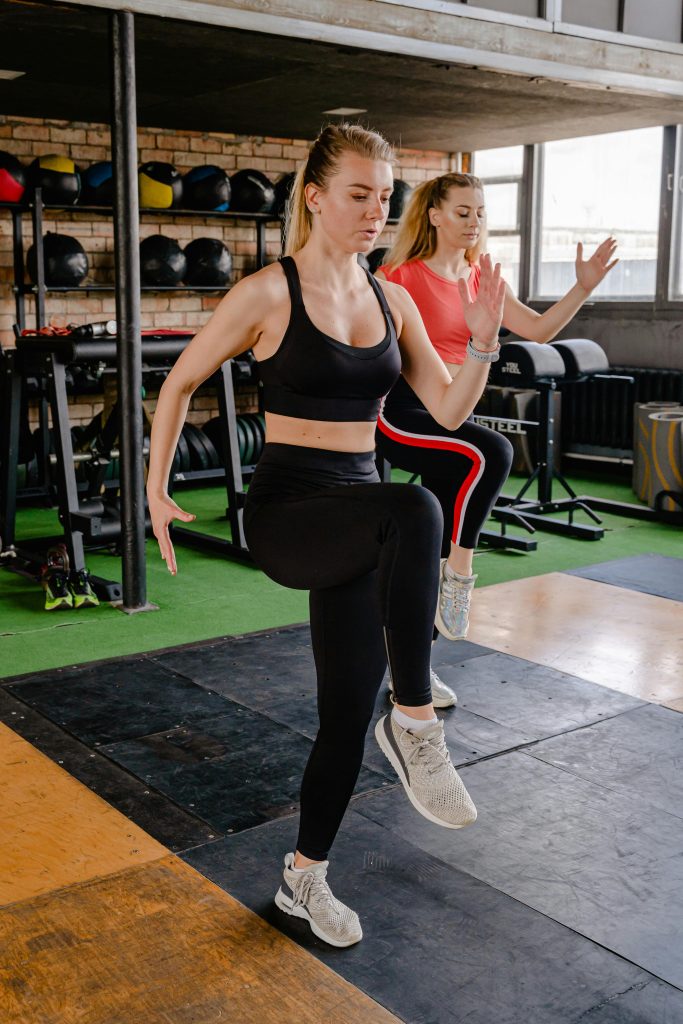
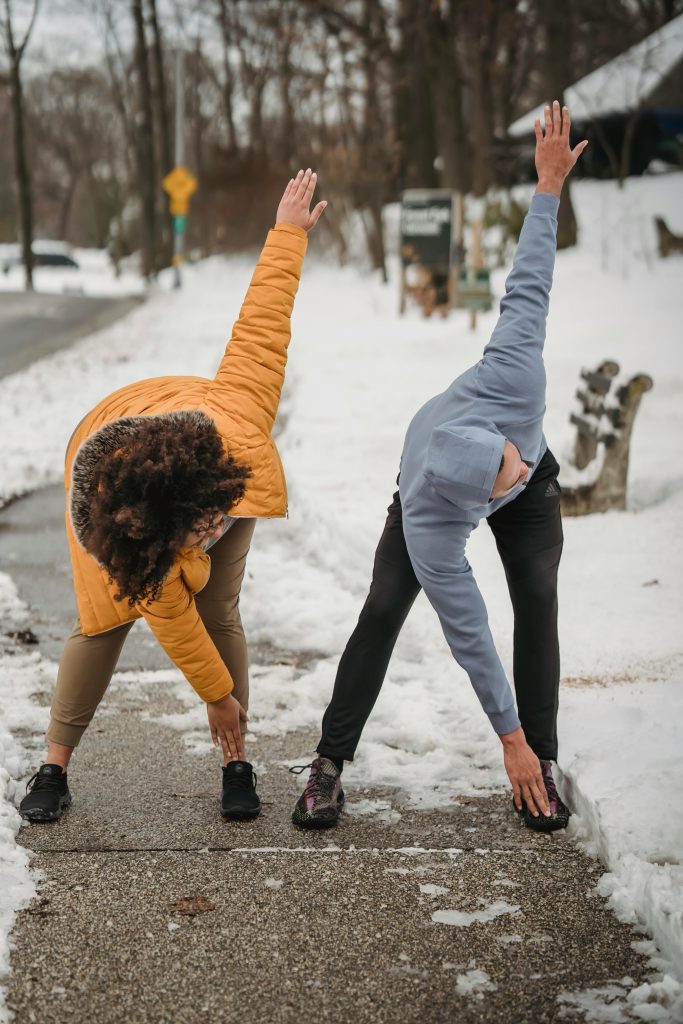
Current research supports dynamic warm-up routines, which involve moving muscles and joints through a full range of motion rather than holding static positions. It’s about gradually building movement that increases heart rate, boosts blood flow, and prepares your body for the unique demands of your exercise.[3]
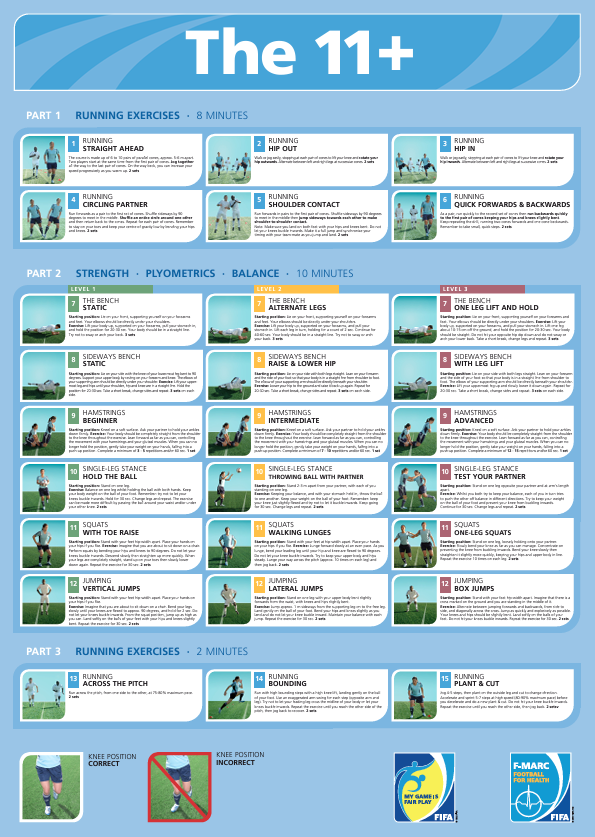
There are many research-backed programs out there specific to different sports that are designed to improve performance and reduce injury. We have a few recommendations for certain sports that we’ve compiled in our athlete resource linked here, but also highly recommend some of these well-established programs like FIFA 11+ (An injury prevention program that includes dynamic warm-up exercises proven to reduce injury rates among soccer players) or the Thrower’s Ten Program (A series of exercises designed for overhead athletes to strengthen the shoulder and upper body muscles used in throwing sports.)
Programs such as the FIFA 11+ have been shown to reduce injury rates by up to 50%. [4]
Warm-Ups: Should You Stretch?
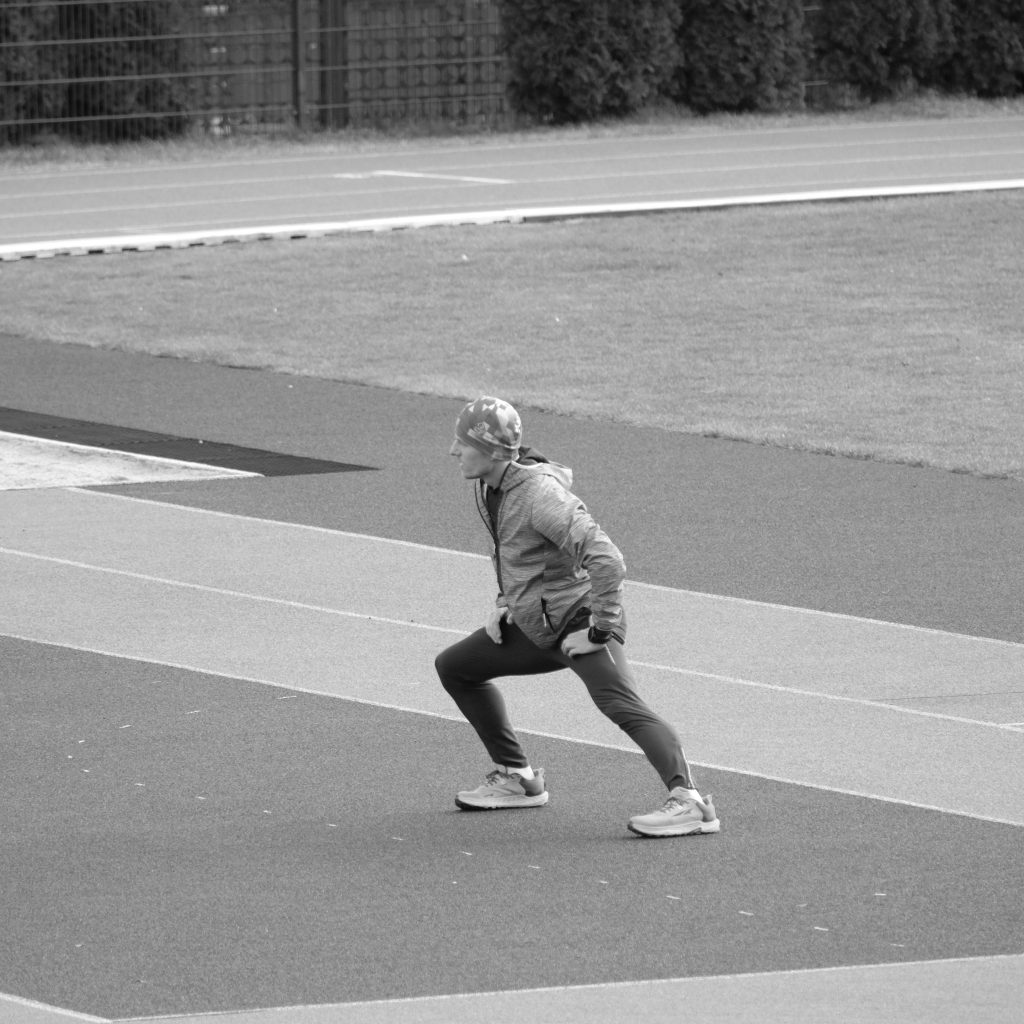
Stretching helps to increase flexibility, which is associated with better performance and reduced injury risk, but there is a time and a place for it. Prolonged static stretching performed immediately before activity can actually hinder muscle strength and power generation. As muscles warm up, a few shorter static and dynamic stretches can be worked in to help lengthen specific muscles, but only to your built-up range of motion.[5] So, when is the optimal time to stretch, where it will effectively develop flexibility while not being detrimental to performance?
Cool-Down: Aiding Recovery and Flexibility
A cool-down is just as important as a warm-up. It allows your heart rate and blood pressure to gradually decrease, preventing dizziness and blood pooling in your limbs. An active cool-down, (eg. low-intensity aerobic exercises like walking or light cycling) helps circulate blood and flushes out metabolic waste products (such as lactic acid) that accumulate during intense activity. By doing so, the body recovers more efficiently, reducing the risk of muscle soreness and fatigue in subsequent training sessions. From there, a variety of post-exercise strategies can be implemented as part of your cool-down routine to optimize not only recovery, but future performance. [6]

Stretching Post-Exercise
Post-exercise, muscles tend to be tight and fatigued, which can create a feeling of stiffness and restriction. With that said, tight muscles are still warm so they will respond well to stretching. This is where static stretching can be really effective to improve your baseline muscle flexibility and range of motion. These factors have been shown to help with explosive athletic movements associated with those muscles as well as reducing risk of certain injuries – not to mention the mental relaxation element as you transition out of competition.[7] Here are a few notes on how your stretching can be most effective:
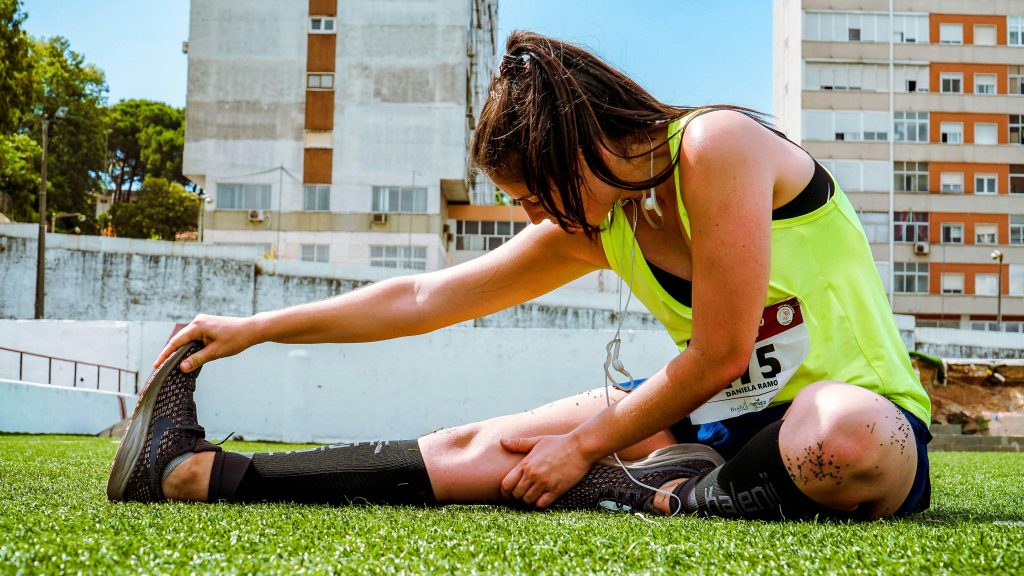
- Make sure you are all warmed up from your activity. Stretching cold muscles is less effective and can cause injury.
- The recommended duration for stretching each muscle group is at least 60 seconds. This time can be broken up into shorter intervals of 10-30 seconds or done all at once.
- Breathe into and through your stretch. Stretching should be slow and controlled (no bouncing), with an emphasis on relaxation.
- Stretching should not hurt. If a stretch causes pain, it should be eased to avoid injury.
Myofascial Release
Myofascial release is another recovery technique that can be incorporated into a cool-down routine. Methods of release using foam rollers (see video below from our distance running video series), massage guns, or massage therapy can also help alleviate stiffness and enhance blood flow to aid recovery.[8]
Refueling
Nutrition & Hydration: Eating the right foods post-exercise is critical to replenish energy stores and help muscles repair and growth. Rehydration helps to replenish fluids lost through sweat and supporting metabolic processes that repair muscle tissue. See linked article for an in depth look.
Maximizing Athletic Performance Through Nutrition
Maximizing Athletic Performance Through Nutrition
Rest
Adequate rest is vital for recovery. Aim for at least 8 hours of sleep on exercise days to allow your body to repair itself and reduce the risk of overtraining. At least 48 hours should be allowed between higher intensity exercise of the same muscle groups. It’s important to remember, even if you aren’t feeling soreness after a workout, recovery is still important to prevent injuries and replenish what is lost after an exercise session.[9]

Conclusion: Integrating the Best Practices
Warm-up and cool-down routines are crucial elements of a successful training program. By following these guidelines, coaches and athletes can reduce the risk of injury, improve performance, and enhance overall recovery. These practices are not just preventive—they are integral to achieving long-term success and longevity in sports.

References
- Afonso J, Brito J, Abade E, Rendeiro-Pinho G, Baptista I, Figueiredo P, Nakamura FY. Revisiting the ‘Whys’ and ‘Hows’ of the Warm-Up: Are We Asking the Right Questions? Sports Med. 2024 Jan;54(1):23-30. doi: 10.1007/s40279-023-01908-y. Epub 2023 Sep 2. PMID: 37658965; PMCID: PMC10798919.
- Scott EE, Hamilton DF, Wallace RJ, Muir AY, Simpson AH. Increased risk of muscle tears below physiological temperature ranges. Bone Joint Res. 2016 Feb;5(2):61-5. doi: 10.1302/2046-3758.52.2000484. PMID: 26883967; PMCID: PMC4852792.
- McGowan, Courtney J et al. “Warm-Up Strategies for Sport and Exercise: Mechanisms and Applications.” Sports medicine (Auckland, N.Z.) vol. 45,11 (2015): 1523-46. doi:10.1007/s40279-015-0376-x
- Sadigursky, David et al. “The FIFA 11+ injury prevention program for soccer players: a systematic review.” BMC sports science, medicine & rehabilitation vol. 9 18. 28 Nov. 2017, doi:10.1186/s13102-017-0083-z
- Shea, Ashley et al. “The Effects of Static Stretching 2-Hours Prior to a Traditional Warm-Up on Performance.” Journal of sports science & medicine vol. 23,1 663-671. 1 Sep. 2024, doi:10.52082/jssm.2024.663
- Van Hooren, Bas, and Jonathan M Peake. “Do We Need a Cool-Down After Exercise? A Narrative Review of the Psychophysiological Effects and the Effects on Performance, Injuries and the Long-Term Adaptive Response.” Sports medicine (Auckland, N.Z.) vol. 48,7 (2018): 1575-1595. doi:10.1007/s40279-018-0916-2
- Afonso J, Clemente FM, Nakamura FY, Morouço P, Sarmento H, Inman RA, Ramirez-Campillo R. The Effectiveness of Post-exercise Stretching in Short-Term and Delayed Recovery of Strength, Range of Motion and Delayed Onset Muscle Soreness: A Systematic Review and Meta-Analysis of Randomized Controlled Trials. Front Physiol. 2021 May 5;12:677581. doi: 10.3389/fphys.2021.677581. PMID: 34025459; PMCID: PMC8133317.
- Romero-Moraleda B, Touche RL, Lerma-Lara S, et al. Neurodynamic mobilization and foam rolling improved delayed-onset muscle soreness in a healthy adult population: a randomized controlled clinical trial. PeerJ. 2017; 5.
- Walsh, Neil P et al. “Sleep and the athlete: narrative review and 2021 expert consensus recommendations.” British journal of sports medicine, bjsports-2020-102025. 3 Nov. 2020, doi:10.1136/bjsports-2020-102025
Learn More in our Athlete Resource
- Injury Management Guide: What to do right after an injury occurs and when to seek professional intervention.
- Injury Finder: An interactive tool to identify and understand specific pains and injuries.
- Smart Training: Training advice to help you improve performance and stay injury-free.
- Sports Index: An index of articles tailored to different sports, offering targeted advice and insights.
Athlete Resource
Cioffredi & Associates Physical Therapy in Lebanon, NH and Grantham, NH
Learn more about Cioffredi & Associates Sports Rehabilitation Services:
Sports Rehabilitation
Learn more about Cioffredi & Associates Sports Performance Services:
Sports Performance
Learn more about Cioffredi & Associates Massage Therapy Services:
Massage Therapy
